

Key Takeaways
- Life after BECE matters. The transition before SHS is a key period for shaping ambition and confidence.
- Exposure expands possibility. Young people can only aspire to what they are exposed to.
- Career guidance goes beyond school. Workplace experiences help students see different paths.
- Boys need intentional guidance too. Exposure helps widen possibilities beyond stereotypes.
- Businesses can shape futures. Youth development also happens outside the classroom.
Life After BECE: Why Exposure Matters Before The Next Chapter
For many young people in Ghana, the period immediately after BECE is treated as a waiting room. The exams are over. The pressure temporarily eases. And then comes the long stretch before Senior High School begins; often unstructured, underutilised, and largely overlooked.
Yet, in many ways, this transition period is one of the most formative moments in a young person’s life.
It is often the first time they begin to ask bigger questions: What do I want to become? What possibilities exist beyond what I know? What kind of life can I build?
Unfortunately, many young people are expected to answer these questions with very little exposure to the world beyond their immediate environment.
For many, career possibilities are narrowed to only the professions they have seen up close or repeatedly heard about: doctor, lawyer, teacher, engineer. While these are important careers, they are only a fraction of what is possible. The challenge is not ambition. It is exposure.
Read Also: Driving Change Beyond the Road: WopeCar’s Commitment to Young Minds
Why Life After BECE Matters More Than We Think
We often underestimate how much imagination shapes decision-making. Young people can only aspire to what they believe is possible. Possibility is shaped by exposure. Exposure to people. Exposure to ideas. Exposure to workplaces. Exposure to conversations that stretch what they think is available to them.
This is one reason intentional youth development matters, particularly at transition points.
The weeks after BECE present an opportunity to move beyond simply asking students what they want to become and instead help them better understand what exists. Because the reality is this: many students are making decisions about school, subjects and future aspirations without meaningful access to the worlds they are being prepared for.
Beyond Traditional Career Narratives
One of the quiet limitations many young people face is not a lack of ambition, but a narrow understanding of what ambition can look like. Some interests are encouraged. Others are dismissed.
Some career paths are celebrated. Others are quietly boxed into stereotypes. This is especially important when we think about young boys.
As conversations around the development of the boy child continue, one truth deserves greater attention: boys also need intentional guidance, exposure and room to explore possibilities.
Too often, many boys are simply expected to “figure things out.” To be strong. To know what they want. To navigate uncertainty quietly.
Yet guidance matters. Representation matters.
And conversations that challenge limiting ideas about what boys can pursue matter too. A young boy interested in customer experience, hospitality, fashion, cooking, communication or caregiving should not feel boxed in by outdated assumptions of what masculinity should look like.
In the same way, girls should continue to feel empowered to lead in spaces traditionally perceived as male-dominated. Opening young people up to possibilities means helping them understand that interests do not need permission from stereotypes.
Read Also: Empowering Girls on World Menstrual Hygiene Day: WopeCar & Akaya Foundation Outreach
Exposure Creates Confidence
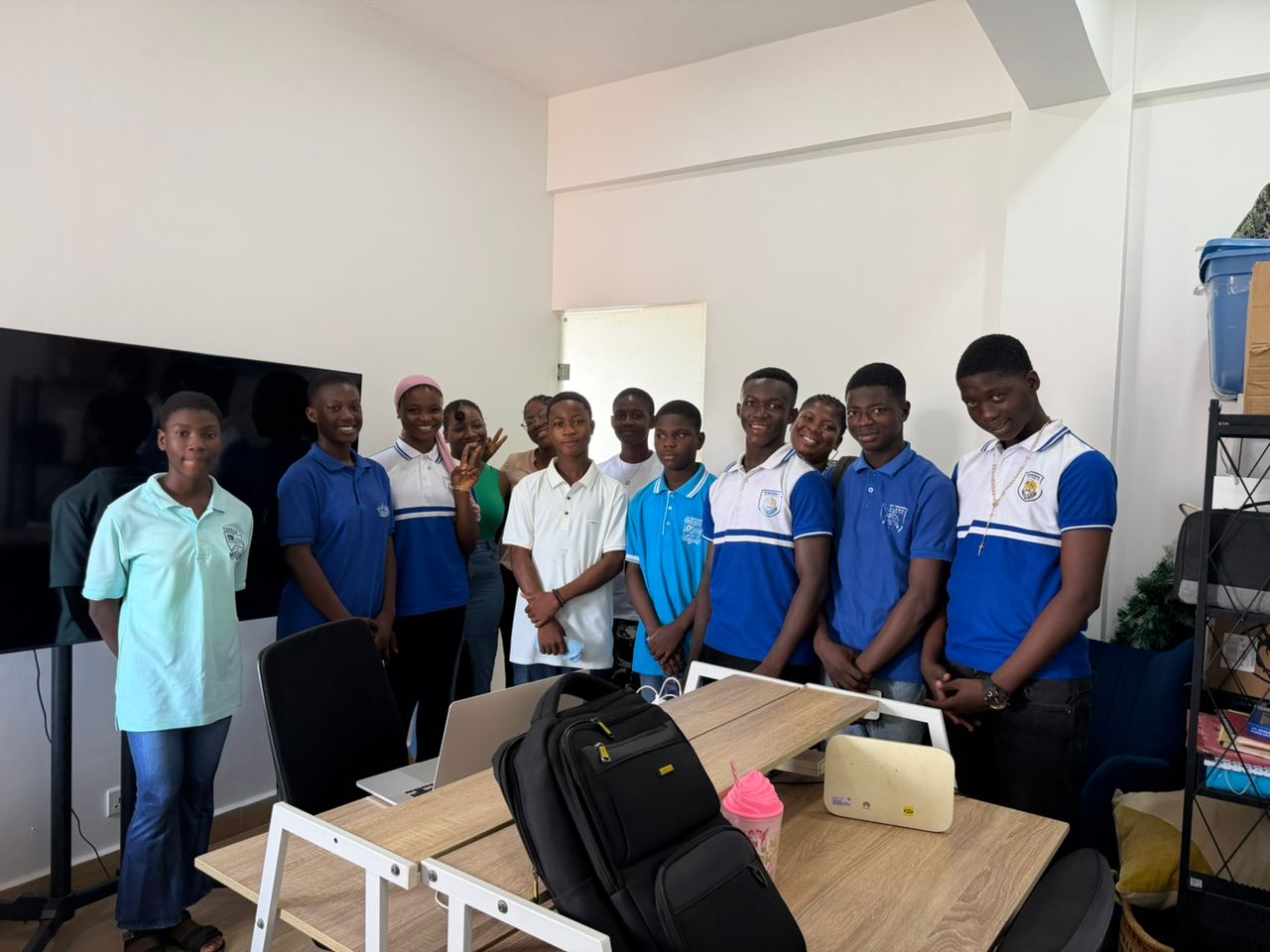
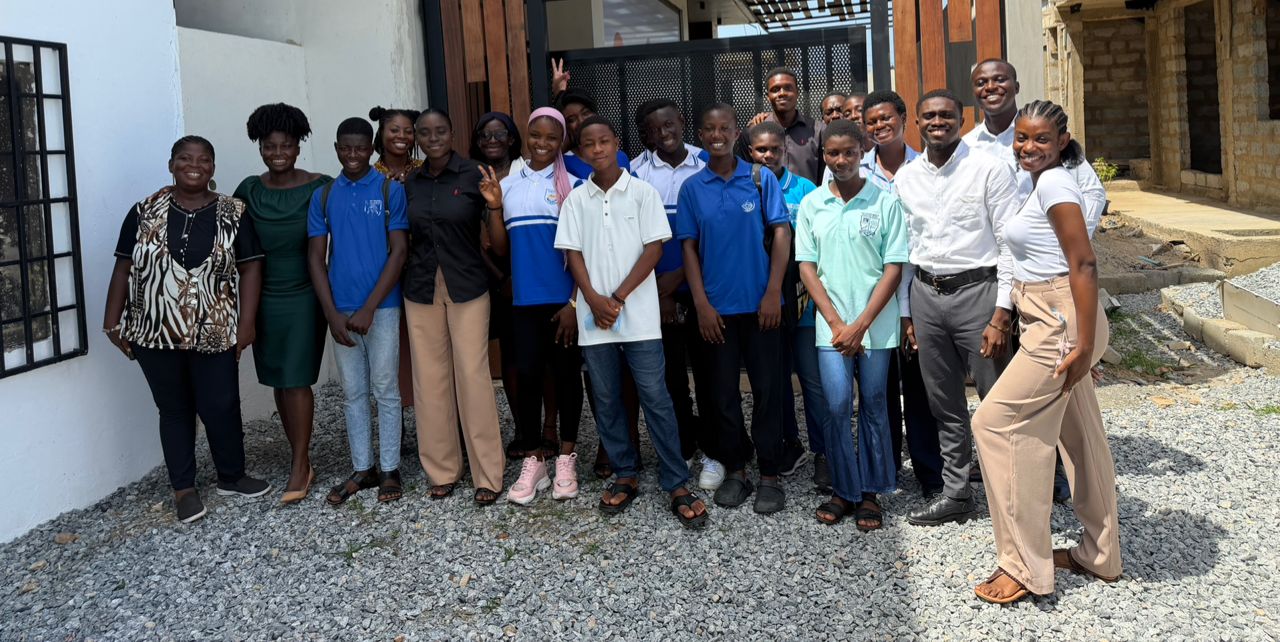
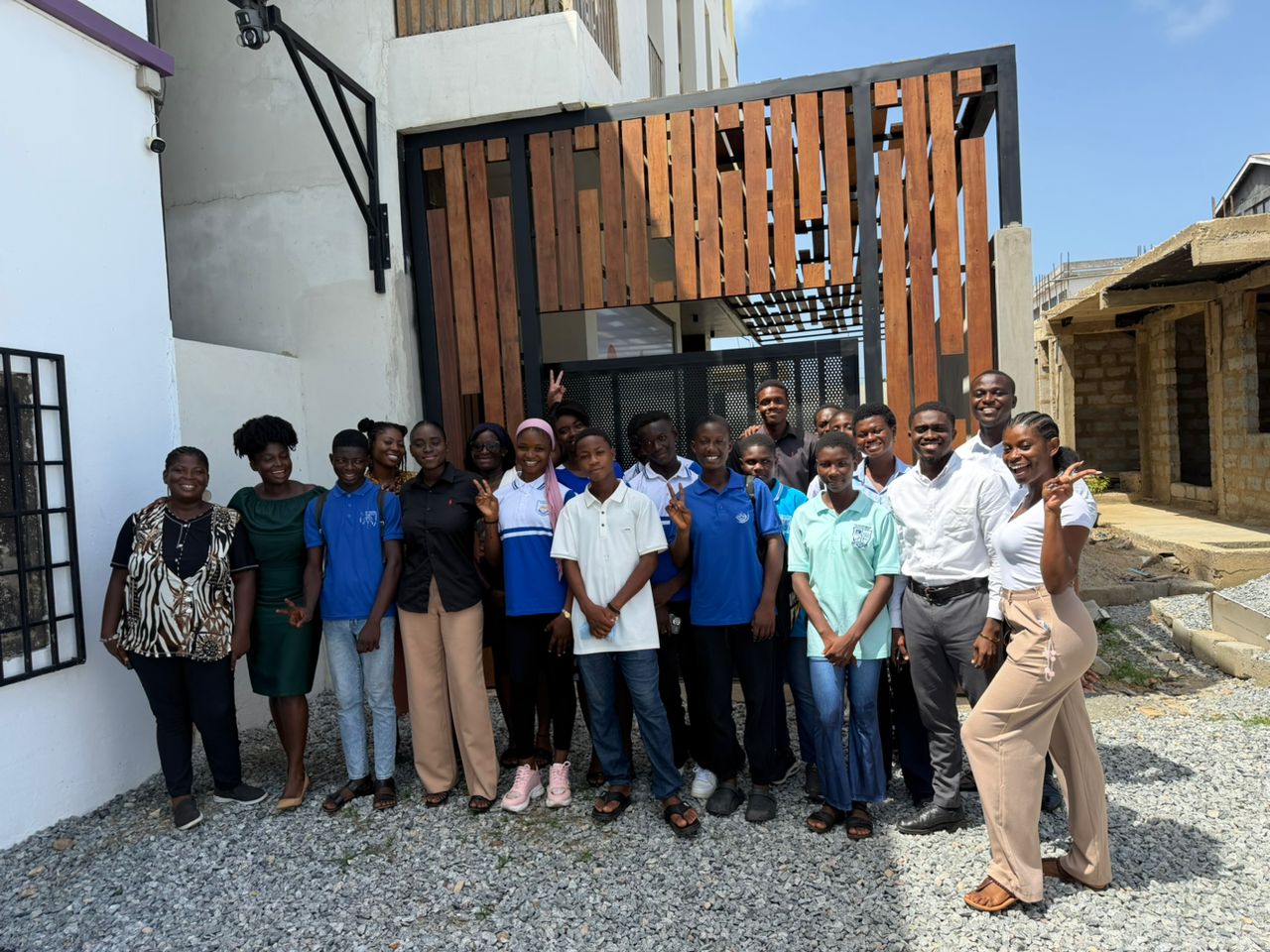
Recently, through WopeCar’s Life After BECE initiative, we welcomed a small group of students who had just completed their BECE from Tenashie A & B Primary & JHS and La Yahoshua.
The goal was simple: expose them to possibility. Rather than speaking at them, we invited them into our environment.
They met people across different functions, from Customer Experience and Operations to Finance and Communications, and had the opportunity to ask questions, hear honest stories, and better understand what different roles actually involve.
The conversations extended beyond WopeCar through visits to Oze and Impact Hub Accra, where the students encountered different forms of entrepreneurship, innovation, and career pathways they may not ordinarily have access to.
For us, what stood out most was not simply what the students said they wanted to become, from cybersecurity and engineering to football, cosmetology and content creation. It was the confidence with which they began to ask questions eventually.
Questions about careers. Questions about interests. Questions about what life after school could look like. And perhaps most importantly, permission to imagine more.
One of the teachers who accompanied the students later reflected:
“Being a dreamer, a creator, and an imaginative person now pays.”
That statement was important because it captured something bigger.
Sometimes, what expands a young person’s world is not pressure. It is proximity. Proximity to people doing meaningful work. Proximity to environments they had never entered before. Proximity to possibilities they may never have considered.
A Broader Responsibility

Youth development cannot exist only within classrooms. Schools play an important role, but businesses, communities and institutions also have a responsibility to intentionally create moments of exposure. Not as one-off acts of charity, but as part of a broader commitment to helping young people imagine futures that feel possible and accessible to them.
Because when young people can see more, they begin to imagine more. And when they imagine more, they make different choices.
The period after BECE may look like waiting for adults. But for a young person, it may quietly be the beginning of who they believe they can become.